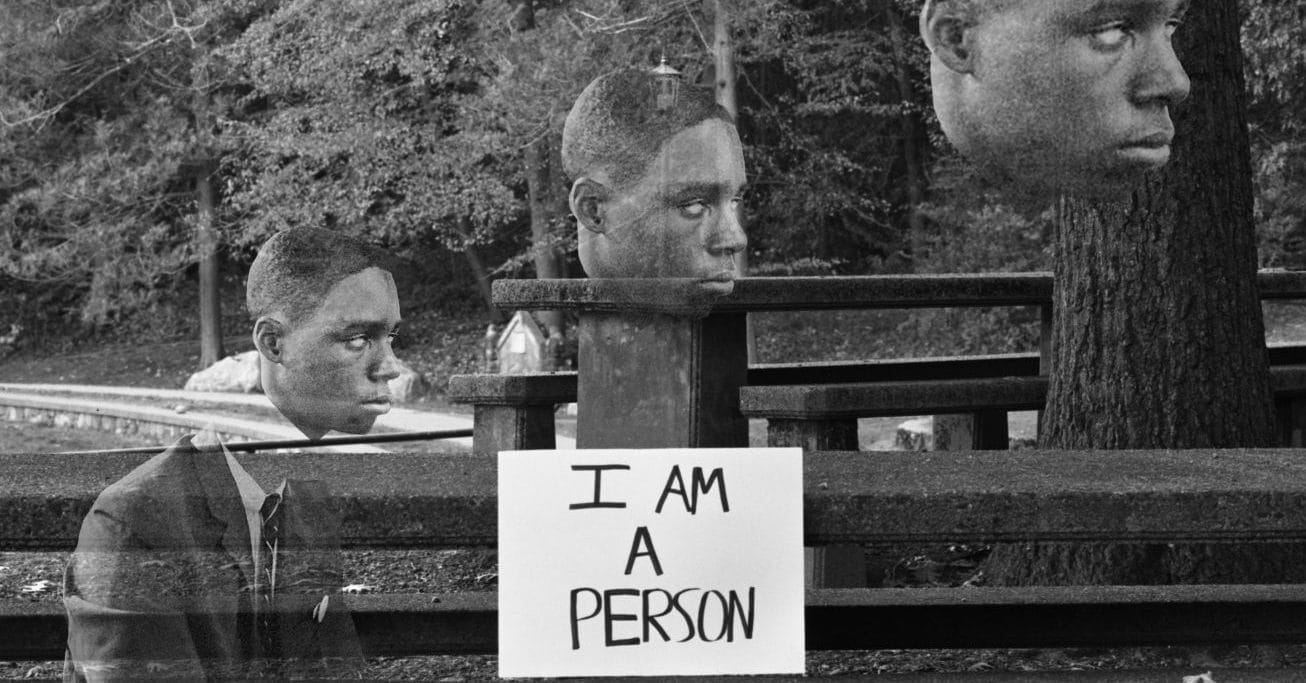
Progress Paid in Blood: The Violent Backlash to the Civil Rights Movement
After looking back at the slides on the violent backlash to the Civil Rights Movement that my EOTO group and I reviewed and went over, I was struck by how intense and organized the resistance to equality truly was. We often learn about the movement through its victories—especially Brown v. Board of Education (1954), which ended legal school segregation (https://www.oyez.org/cases/1940-1955/347us483). But these slides shift the focus to the dangerous opposition that followed. They show that while progress was being made in courtrooms, real life was filled with violence, fear, and intimidation for those pushing for change.
One of the most disturbing parts of the presentation was the resurgence of the Ku Klux Klan during the 1960s. As African Americans gained legal victories, extremist groups responded with violent intimidation, propaganda, and public rallies. The KKK even infiltrated local governments and law enforcement in some areas (https://www.history.com/topics/reconstruction/ku-klux-klan). What shocked me most was learning that some local authorities quietly supported or ignored these attacks. This meant that many civil rights workers were completely unprotected while simply trying to secure basic rights.

The section on Freedom Summer (1964) and the murders of James Chaney, Andrew Goodman, and Michael Schwerner was especially powerful (https://www.biography.com/activist/freedom-summer). These young men were trying to register Black voters in Mississippi when they were arrested, released into danger, and then murdered by KKK members in a planned ambush. The FBI investigation, known as “Mississippi Burning,” brought national attention to the case (https://www.fbi.gov/history/famous-cases/mississippi-burning). What stood out to me most was that even though several men were convicted of civil rights violations, justice came slowly and imperfectly. It is disturbing to realize that it took such horrific deaths for the federal government to take strong action.
The concept of “Massive Resistance” also stood out to me. After Brown v. Board, several Southern states—especially Virginia—used laws and political pressure to delay school desegregation for more than a decade (https://encyclopedia.virginia.edu/entries/massive-resistance/). Before seeing these slides, I assumed desegregation happened quickly after the ruling. Instead, I learned that resistance was carefully planned and legally disguised, showing how deeply segregation was defended.
The image of Governor George Wallace “Standing in the Schoolhouse Door” at the University of Alabama in 1963 really stayed with me (https://www.history.com/this-day-in-history/george-wallace-blocks-integration-at-university-of-alabama). A state governor physically blocking Black students from enrolling in a public university represents how powerful political leaders openly fought against equality.
Overall, these slides made it clear that the Civil Rights Movement was not just a story of peaceful progress and success. It was a struggle filled with violence, delay, and sacrifice. As a college student today, it is easy to take my rights for granted. Learning about Freedom Summer, the KKK’s resurgence, and Massive Resistance reminds me that many of the freedoms I enjoy now were paid for with real human suffering. This reflection pushed me to think more seriously about justice today and about my responsibility to not stay silent when inequality still exists.


No comments:
Post a Comment