Redefining Freedom: What Reconstruction and the Progressive Era Taught Me—In History and Beyond
For my final project in Talking About Freedom, my partner Oliver and I explored two of the most transformative periods in U.S. history: the Reconstruction Era and the Progressive Era. While these eras are often taught separately, bringing them together in a single presentation helped me see how deeply connected the struggle for freedom has always been in America. Reconstruction reshaped the nation in the aftermath of the Civil War, while the Progressive Era confronted the challenges of industrialization and inequality decades later. Together, they permanently changed how Americans understand citizenship, government power, and individual rights.
Our Progressive Era timeline began in 1890 with the Sherman Antitrust Act, the first major attempt by the federal government to rein in monopolies and protect consumers (National Archives, https://www.archives.gov/milestone-documents/sherman-anti-trust-act). Under President Theodore Roosevelt’s Square Deal, the government took a more active role in regulating businesses, protecting workers, and conserving natural resources. The tragic Triangle Shirtwaist Fire of 1911 forced the nation to confront unsafe working conditions and led to sweeping labor reforms (History.com, https://www.history.com/topics/early-20th-century-us/triangle-shirtwaist-fire). The era also expanded democracy with the 16th and 17th Amendments, and in 1920, the 19th Amendment secured women’s right to vote.
Our Reconstruction timeline began in 1865 with the 13th Amendment, abolishing slavery. That same year, the Freedmen’s Bureau was established to help formerly enslaved people adjust to freedom. The 14th Amendment granted citizenship in 1868, and the 15th Amendment protected voting rights in 1870 (Library of Congress, https://www.loc.gov/classroom-materials/abolition-and-slavery/reconstruction/). However, the Compromise of 1877 effectively ended Reconstruction, allowing many of these gains to be weakened in the South.
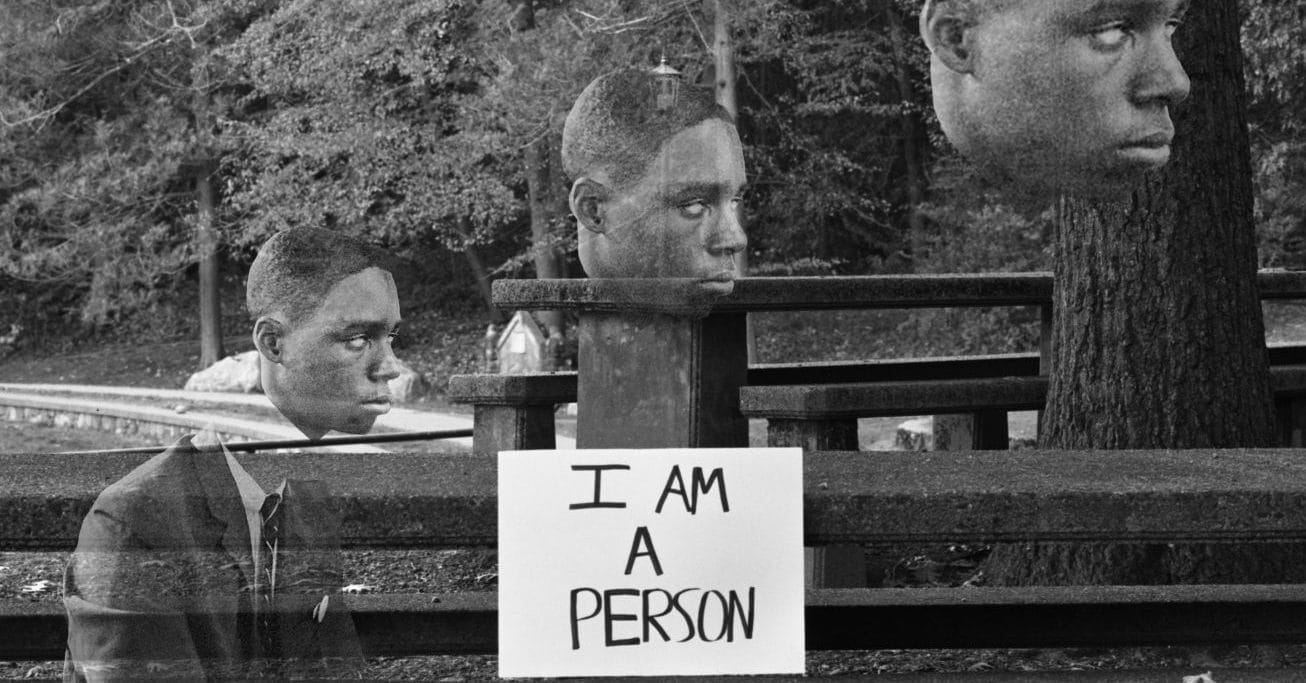
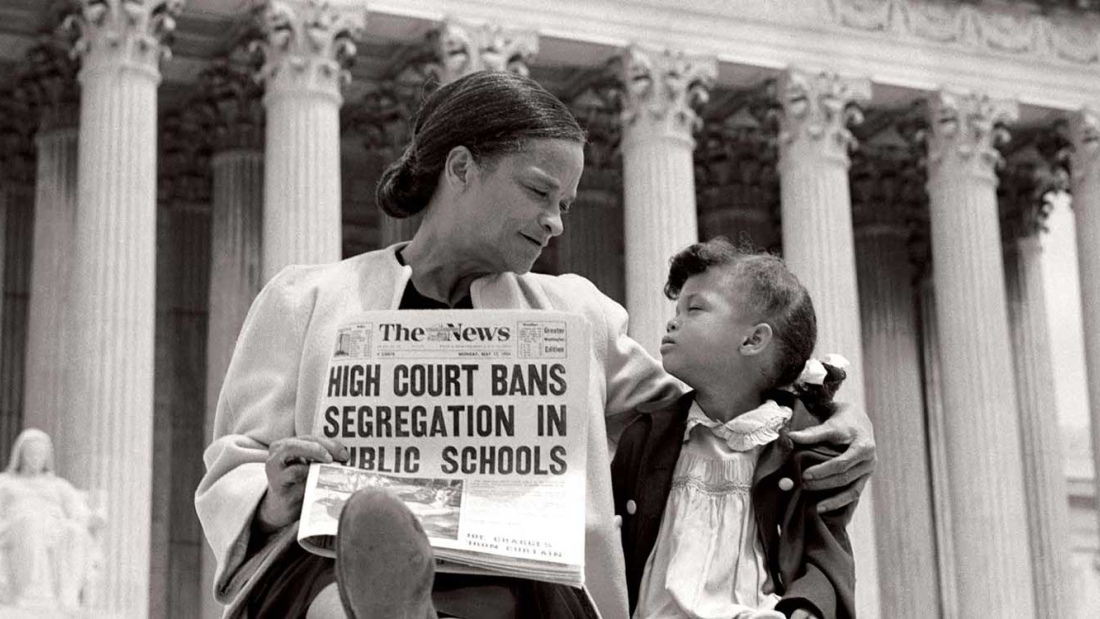
Looking at both eras together made it clear that freedom in the United States has always been contested and incomplete. Reconstruction centered on legal freedom and citizenship for formerly enslaved African Americans, while the Progressive Era focused more on economic justice, workers’ rights, and consumer protection. In both periods, the federal government expanded its power in response to national crises, and in both periods, resistance—from the KKK to powerful industrialists—pushed back against reform.
Beyond the history itself, what may stay with me the most is what this class taught me about learning. I am genuinely thankful for how Talking About Freedom strengthened my note-taking, presenting, and academic writing skills. I learned how to organize ideas clearly, defend arguments with evidence, and communicate confidently in front of others. Just as important, I learned the value of good-spirited debate—how disagreement can be productive, respectful, and even empowering when everyone is committed to learning.
This project showed me that freedom is not a fixed idea but something each generation has to redefine and fight for. At the same time, this class helped me grow not just as a student of history, but as a thinker, speaker, and writer. For that, I am incredibly grateful. Thank you to Professor Smith, and thank you to my incredible classmates, it has been a great journey this semester.