
Gone With the Wind: My Reaction
By Ryan Burick
Watching Gone With the Wind was more than simply a piece of classic cinema for me—it felt like an encounter with a story that invites reflection on resilience, identity, and the passage of time. As I followed the story of Scarlett O’Hara, Rhett Butler, and Ashley Wilkes, I found myself drawn not only to their dramatic arcs but to how the film invites us to consider how individuals confront large amounts of change. The production, based on the 1936 novel by Margaret Mitchell and released in 1939, is remarkable in its ambition, historical scope, and heavy emotional intensity (Encyclopedia Britannica).
What particularly struck me was the deeper meaning of perseverance embodied by Scarlett. Early on, she is the pampered daughter of a Georgia plantation owner, living a carefree life until the Civil War changes everything (SparkNotes+1). Yet, even before the film’s intermission, we see her begin to adapt and survive amidst chaos. When Atlanta falls and she must flee home to Tara, her transformation from self-absorbed socialite to determined survivor becomes clear. Her journey becomes a metaphor for facing upheaval and insisting on one’s agency—even when the world shifts dramatically beneath one’s feet. I admired that strength; it resonated with me as a student navigating transitions, uncertainties, and the unknown. In that sense, the film works on two levels: as epic romance and historical spectacle, and as a personal lesson about agency and change (Scott Holleran).
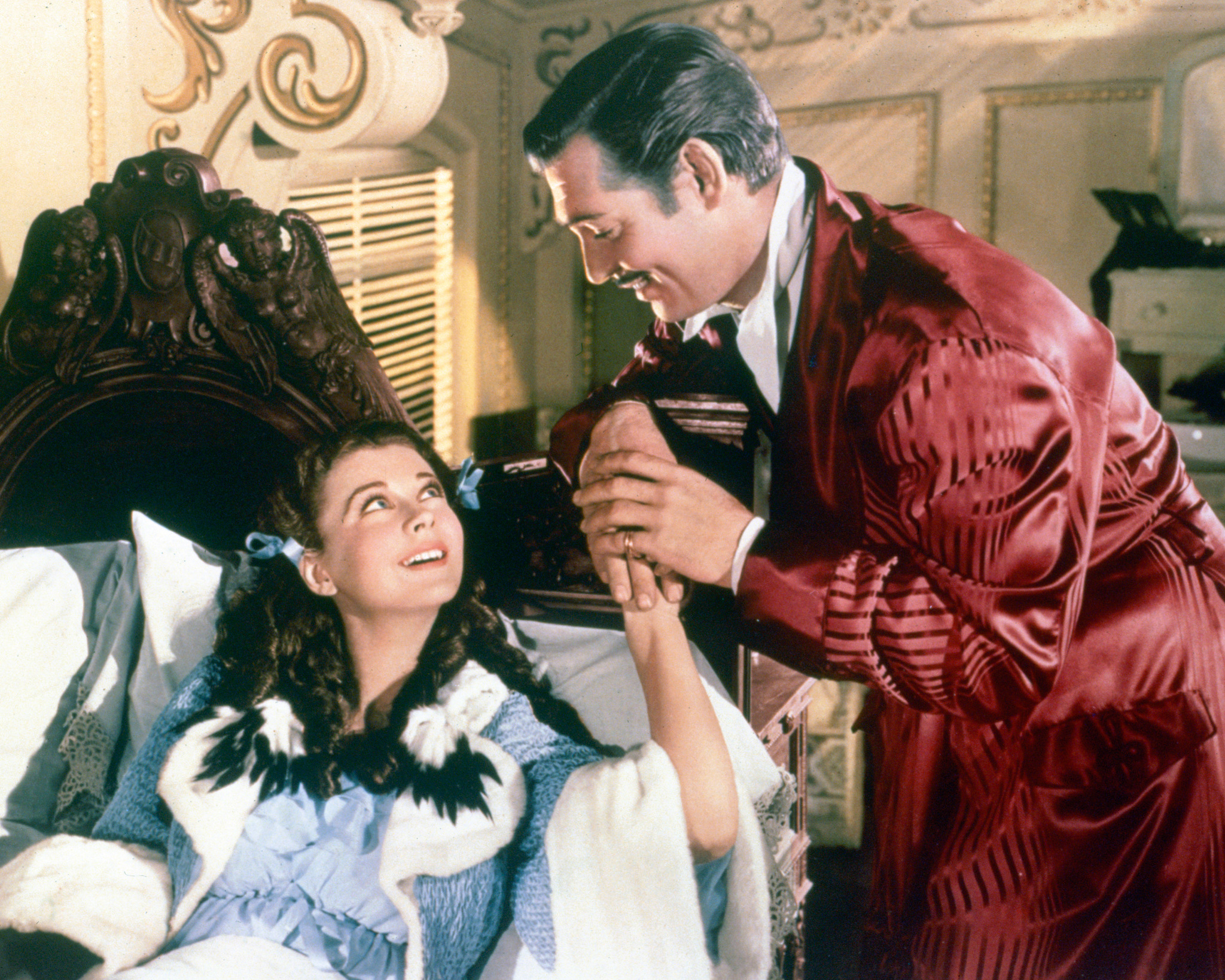
Likewise, Rhett Butler stands out as a character of complexity and nuance. Up to the intermission, he is presented as both charming and cynical—a man who sees through social conventions and values practicality over pride. His interactions with Scarlett are charged with tension, attraction, and challenge, and reveal a deeper truth: when society collapses, the ability to adapt becomes a form of integrity. Rhett’s perspective contrasts with that of the idealistic Ashley Wilkes, whose gentleness and loyalty are admirable but whose attachment to the old world often renders him powerless. Through these characters, I found myself reflecting on the tension between clinging to the past and confronting an uncertain future.
Beyond the characters, one of the most meaningful threads is the theme of “home” and what it means to preserve it. The plantation Tara, for example, is more than a location—it becomes a symbol of identity, memory, and survival. As the war devastates everything familiar, Tara represents Scarlett’s determination to endure and rebuild. The film asks the viewer: when everything you held dear begins to crumble, what remains of who you are? (New Georgia Encyclopedia)
In summary, my positive reaction to Gone With the Wind comes from its layered storytelling. Even before the intermission, it stands as an incredible Hollywood epic, yet beneath the spectacle lies a human story of transformation, self-determination, and the courage to persist. As a college student, I appreciate how the film speaks not just to one historical moment, but to the broad challenge of adapting when old certainties fall away. It is this broader relevance—more than any single scene—that lingers with me long after the screen fades to black at the intermission.


No comments:
Post a Comment